Uganda Capacity Building Workshop On Art-Trees
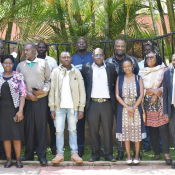
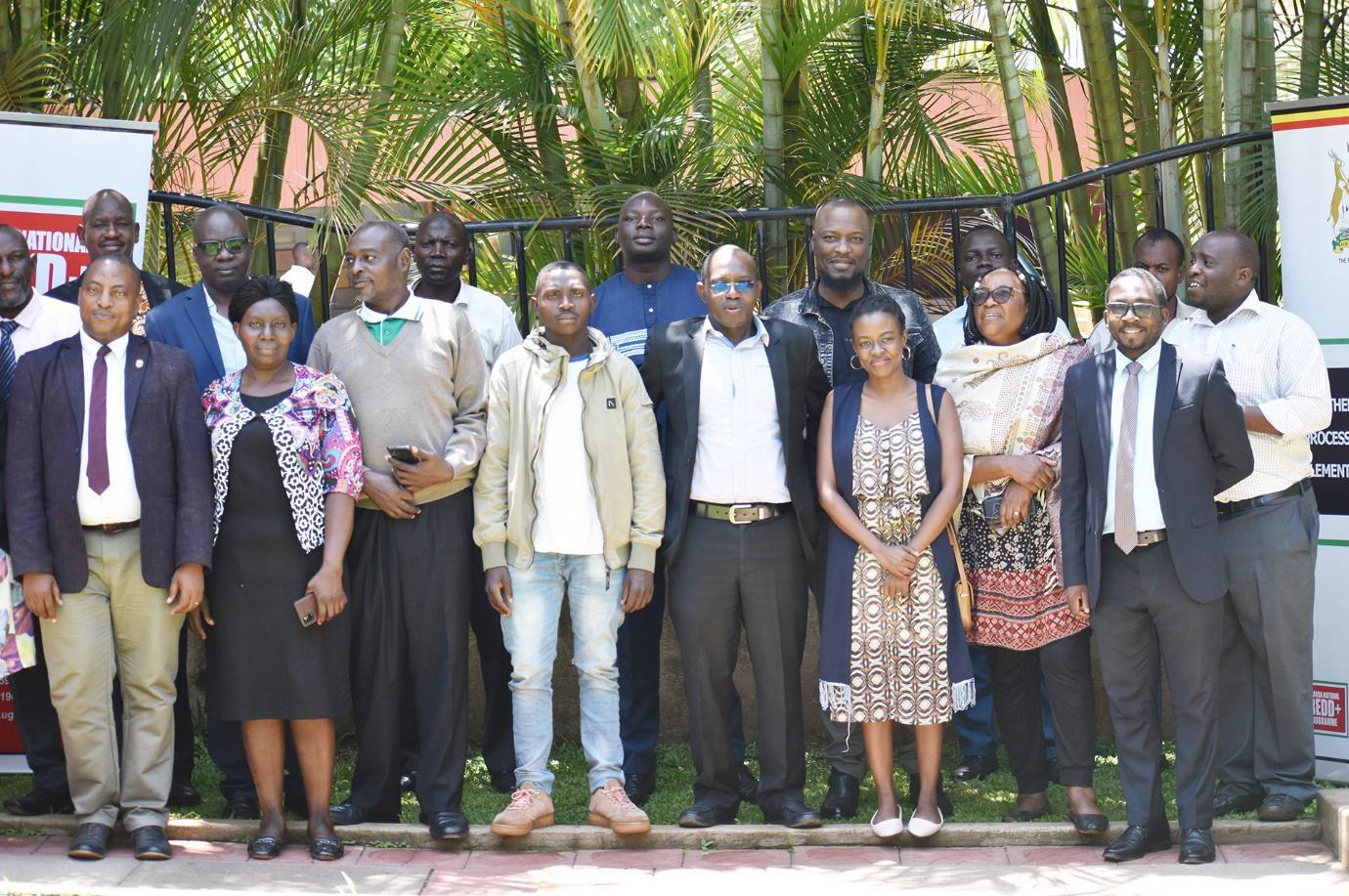
(Participants during the capacity building workshop on Architecture for REDD+ Transactions – The REDD+ Environmental Excellence Standard (ART – TREES))
Reducing Emissions from Deforestation and forest Degradation in developing countries (REDD+), is a framework aimed to encourage developing countries to reduce emissions and enhance removals of greenhouse gases through a variety of forest management options, and to provide technical and financial support for these efforts. Uganda’s REDD+ Strategy and action plan was launched in 2019, and revised in 2020. The strategy is evidence of Uganda’s commitment to slow, halt and reverse forest cover loss and carbon emission under the UNFCCC.
On 23 – 24 October 2023, the Ministry of Water and Environment (MWE) and Environmental Management for Livelihood Improvement Bwaise Facility (EMLI) jointly organized the Uganda Capacity Building Workshop on Architecture for REDD+ Transactions – The REDD+ Environmental Excellence Standard (ART – TREES).
The workshop aimed to strengthen capacities of stakeholders so as to address the safeguards requirements of ART/TREES. Over 50 participants representing District Local Governments, Ministries, Departments and Agencies, civil society, media, academia and indigenous peoples – Batwa and Tepeth attended the workshop.
Generally, the workshop equipped stakeholders with information on: progress on implementation of the National REDD+ strategy for Uganda, country’s approach to safeguards and the state of carbon markets in Uganda. The workshop also provided a platform for building knowledge and understanding of the REDD+ Environmental Excellence Standard (TREES) and its safeguards assessment in the context of Uganda. TREES is a standard established by the United Nations to promote sustainable activities and forest restoration. The standard encourages global participation and includes national-level programs. The discussion highlighted the importance of transparency, respect for rights, access to information, and justice in forest conservation and restoration.
Mr. Bob Kazungu, the REDD+ National Focal Point for Uganda, highlighted that REDD+ is a significant mechanism through which forests interface with climate change by largely reducing emissions. The REDD+ Strategy has 7 strategic options; Climate Smart Agriculture, sustainable fuel wood and charcoal production, large scale commercial timber production, restoration of natural forests in the landscape, energy efficient cooking stoves, integrated wildfire management, and livestock rearing in cattle corridor.
He noted that the effective implementation of the strategy requires unpacking the national REDD+ strategy and having it integrated in district development plans and mobilizing Finance for implementation of REDD+ activities by strengthening the national capacity to mobilize local and international funds.
Mr. Nathan Munuzi, the Safeguards Coordinators at the MWE while making a presentation on the Overview of Uganda’s Safeguards Approach, highlighted that the UNFCCC COP 16 in Cancun, Mexico, in 2010, defined seven safeguards to be applied when undertaking all REDD+ activities (referred to as the ‘Cancun safeguards’). To operationalize the REDD+ Safeguards, Uganda has put in place several safeguard tools including but not limited to; Environmental and Social Management Framework (ESMF), and associated Strategic Environmental and Social Assessment (SESA), v Indigenous Peoples’ Planning Framework (IPPF); Safeguards Information System (SIS) design document; and Safeguards Information System (SIS) webpage, operation and user manual of the webpage.
The workshop built the capacity of the participants on Architecture for REDD+ Transactions (ART) and The REDD+ Environmental Excellence Standard (TREES). Particularly, on eligible TREE participants, ART-TREES Cycle, TREES safeguard requirements and elements, structure of elements and reporting, and ART-TREES safeguard themes and indicators. Using the draft ART-TREE safeguards assessment for Uganda, Mr. Xavier Nyindo Mugumya, took participants through a practical assessment of the TREES safeguards with the aim of identifying gaps related to safeguards requirements of TREES and possible recommendations to address the gaps. This was achieved through facilitated group discussions.
Participants were urged to acquaint themselves with the Cancun safeguards, ART TREES standards, and understand the cost implications to align with the ART TREES safeguards information system i.e. the design of the system
Noting that carbon credits are a key financial instrument towards implementation of the REDD+ strategy, Mr. Derick Senyonga the Senior Climate Change Officer at the Climate Change Department of the Ministry of Water and Environment shared Uganda’s experience in the carbon market. He highlighted that Uganda has registered 177 Clean Development Mechanism (CDM) activities and hosts 33 registered Voluntary Carbon Market projects including the first ever cookstove project to earn Gold Standard (GS) certification: Improved Cookstoves for Social Impact in Ugandan Communities and the Trees for Global Benefit coordinated by Ecotrust as cooperative offsetting scheme. “Over 20 million carbon credits have been issued in Uganda from the Clean Development Mechanism (CDM) and Voluntary Carbon Market (VCM) standards,” said Mr. Senyonga.
“For one to participate in carbon markets, he or she should be knowledgeable about the status of the emissions produced in the project area and the extent the credits can be enhanced, however, this is jeopardized by the limited capacity amongst participants,” said Mr. Kazungu. He also noted that independent verifiers are needed but Uganda does not have local verifiers hence a lot of resources will be needed to hire such expertise from abroad – which makes the process quite expensive. Therefore, technical assistance and capacity enhancement will be critical if Uganda is to effectively participate in the market.
It was also highlighted that the Government of Uganda through the Climate Change Department under the Ministry of Water and Environment is currently drafting the national regulations and guidelines for carbon markets, to promote effective carbon trade.
The discussions underscored the need to increase public awareness on the carbon market and its operation, including on related policies and regulations. This should be championed by the government in collaboration with CSOs and the Private Sector to ensure information reaches the end users.
The workshop discussed the capacity needs for strengthening Safeguards Processes for REDD+ Implementation in Uganda. Participants in the respective groups were requested to rate their overall understanding of Cancun safeguards for REDD+ and requirements (1 for Very much understood,2 for Good or fair understanding and 3, for Not understood). The results from the two groups indicated a fair understanding with a rating of 2. This was due to the following reasons;
- The limited understand the safeguard tools such as the strategic Environment(SEMF) Management Framework
- The limited conceptualization of the terms used in the process
The discussion ended with a commitment to deliver a better environment and the need for aligning with global standards.
Next Steps:
- To further engage engagement with the stakeholders to respond to the identified needs
- To follow up with the drafting of the National guidelines and regulations on carbon markets.
- Undertake national consultations on the ART-TREES standards